
By Dr. Casten Sander Christensen
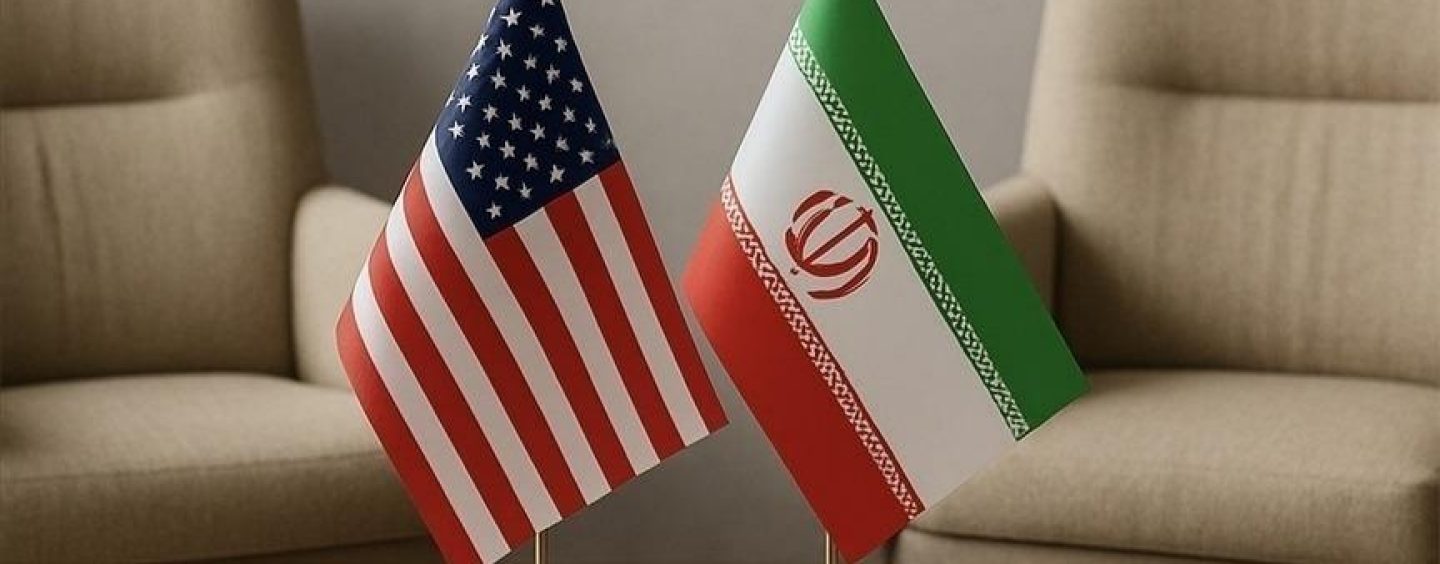
In a moment that could reshape the Middle East, Iran and the United States have signed a landmark memorandum of understanding (MoU), halting a devastating three-month war. But beneath the surface of this diplomatic breakthrough, Iran stands at a crossroads, its political future hanging in the balance between a fragile peace and internal turmoil.
The agreement, signed on June 17, has been met with a profound sense of relief across the region. The deal is a testament to the limits of war, as both superpowers acknowledged they could not achieve a decisive military victory. Key provisions include the reopening of the strategic Strait of Hormuz, a 60-day ceasefire, and a framework for future negotiations on Iran’s nuclear program and sanctions relief.
This was the moment President Masoud Pezeshkian, a relative moderate, had been waiting for. He hailed the MoU as a “historical document” and an opportunity to tackle Iran’s deep economic and political problems. The nation, weary of conflict and crippled by sanctions, appeared to be on the precipice of a new era. For a populace where nearly 60% report being unable to continue financially, the promise of sanctions, relief and reconstruction aid is a powerful political tool.
A Divided Nation
However, the path forward is fraught with peril. The deal has not unified Iran; it has laid bare its deep, internal fractures. Supreme Leader Mojtaba Khamenei, who succeeded his father in March, gave his permission only conditionally, and his messaging was notably cold. In a written statement, he said he “held a different view” and authorized the deal only after receiving an “explicit acceptance of responsibility” from President Pezeshkian and his negotiators. This was a clear, calculated move to distance himself from the agreement should it unravel, placing the political risk squarely on the shoulders of the moderate camp.
This reservation has been a clarion call for Iran’s powerful hardliners. They have mobilized against the deal, viewing any concession to Washington as a betrayal. State-backed rallies have been held, and the rhetoric has turned menacing. In a chilling warning to the President, a state-backed religious eulogist in Shahr-e Ray declared, “Mr. President, if the conditions set by the supreme leader are not realized, it will be us, the blade and your throat. We will make you miserable”.
The Islamic Revolutionary Guard Corps (IRGC), while not openly opposing the agreement, remains strategically skeptical. Iran’s primary military power views the conflict through a different lens, framing nuclear discussions as a mere excuse for continued American pressure. Their long-term strategic priorities remain unchanged, regardless of what any piece of paper says. The IRGC’s doctrine is a stark reminder that its power is not dependent on diplomatic success, but on its role as the guardian of the revolution.
The Future of Regional Influence
While Iran’s political leaders navigate this treacherous domestic landscape, the nation’s international posture is shifting. Emboldened by what it sees as survival against a superpower, Tehran is seeking to translate its battlefield resilience into renewed regional influence. As the dust settles, Iran is looking to reclaim its status as a regional hegemon.
The war fundamentally damaged the process of mutual rapprochement with Gulf states like Saudi Arabia, but it also exposed their vulnerabilities. Iran proved it could credibly threaten the Strait of Hormuz and disrupt global energy flows. This is a lesson that will not be forgotten. Analysts suggest the Gulf states, having seen the limits of the US security umbrella, are now forced to pursue a dual strategy of deterrence and dialogue with Tehran.
Israel remains the most unpredictable variable. The US-Iran agreement does not address many of Israel’s core security concerns, such as Iran’s missile program and its support for regional proxies. Israeli Prime Minister Benjamin Netanyahu’s government has reacted coolly to the deal, and fighting between Israel and Hezbollah in Lebanon threatens to be a persistent spoiler that could derail the entire peace process.
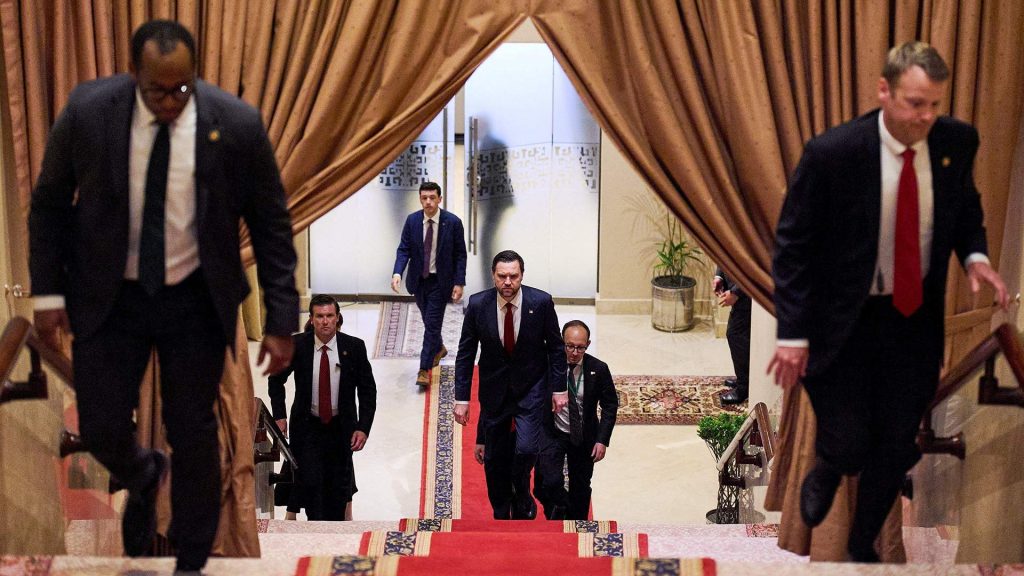
As senior delegations from both nations gather for technical talks in Switzerland, the true test begins. The MoU is merely a framework, and the fundamental issues of the nuclear program, the future of Tehran’s regional influence, and the conflicting narratives over the Hormuz tolls remain unresolved. The next 60 days will determine not only the fate of the peace, but the political future of Iran itself.


