Prepared by Rovshan Pashazadeh and Nigar Salamzada
An interview for Azerbaijan Today magazine with Ms. Mirvari Fataliyeva the Secretary General of the Association of Friends of Azerbaijan
A.T.: Ms. Mirvari Fataliyeva, you have served as the Secretary General of the Association of Friends of Azerbaijan (ADA) in France for many years. Could you please tell our readers about the history of this organization’s founding and its primary objectives?
M.F.: The Association of Friends of Azerbaijan was founded at a time when our country was still largely unknown in France and often misunderstood. It was established in 1998 by France’s first ambassador to Azerbaijan, His Excellency Ambassador Jean Perrin.
From the outset, the objective was clear and essential: to give a voice to Azerbaijan, to present its story as it truly is, to promote its culture and values, and to defend its national interests in accordance with international law.
Over the years, the Association has grown into far more than a traditional organization. It has become a platform for engagement, dialogue, and citizen diplomacy, guided by the conviction that truth and mutual understanding are the foundations of lasting peace. We have worked tirelessly to strengthen Franco-Azerbaijani relations, counter misinformation, and build bridges with intellectuals, policymakers, and French civil society.
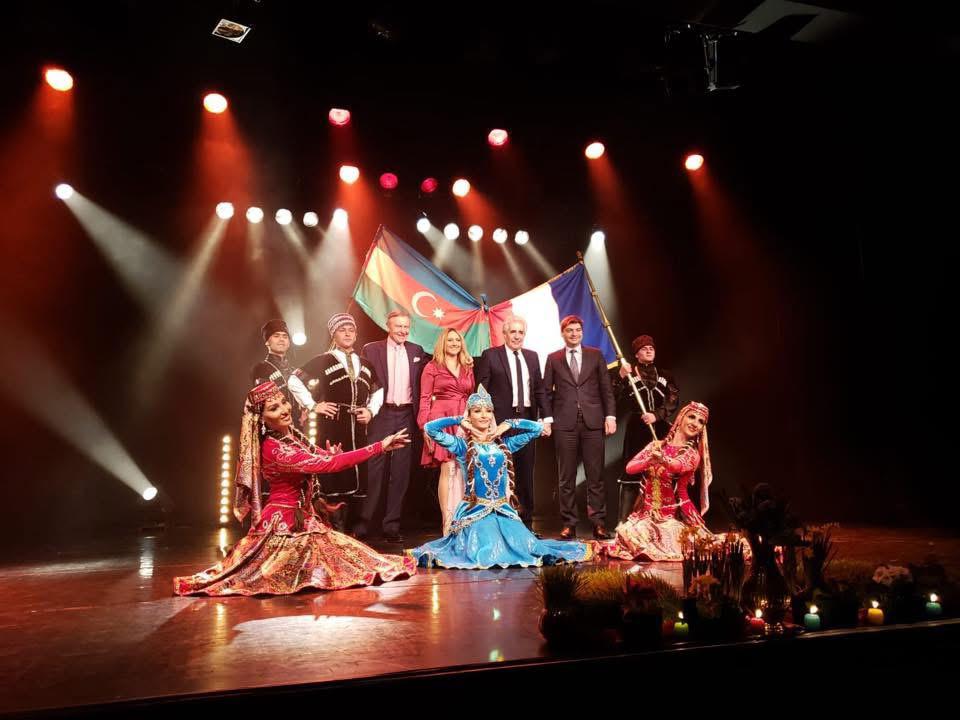
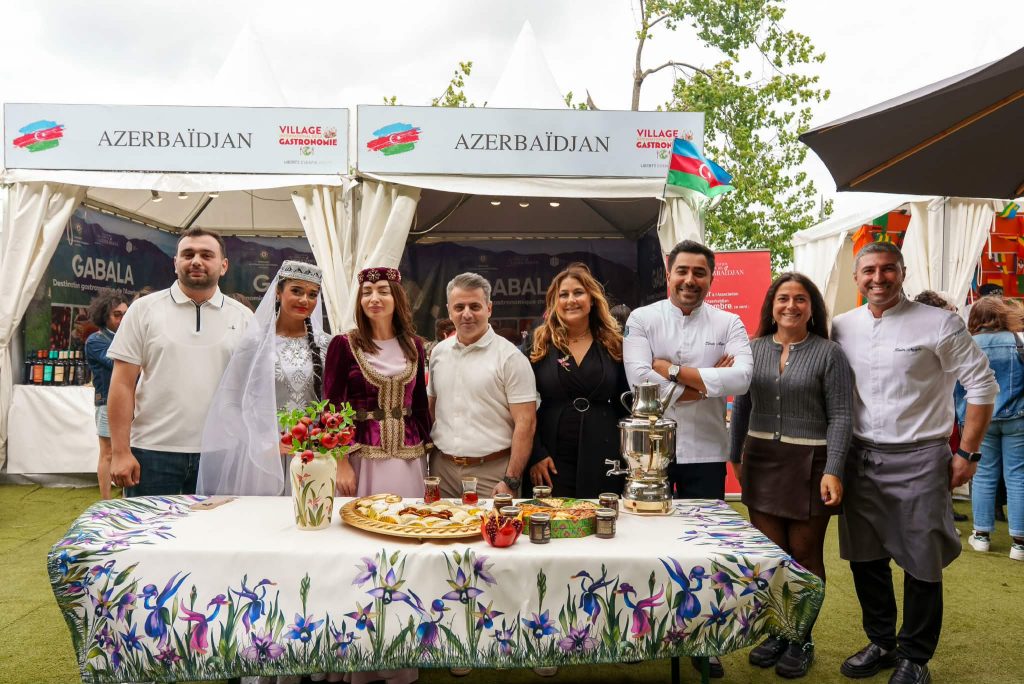
In this spirit, the Association has carried out numerous projects and initiatives over the years, including, among others, the organization of conferences and debates on Franco-Azerbaijani relations, peace in the Caucasus and regional perspectives; the organization of concerts and Azerbaijan Days in various cities across France; the representation of Azerbaijan at the International Gastronomy Village in Paris for five editions; and the organization of discovery trips to Azerbaijan aimed at introducing the country to the French public.
A.T.: Recently, a new leadership team was elected for the Association of Friends of Azerbaijan. We would appreciate it if you could share some information regarding this change. Following the election of the new leadership, how do you envision the future development of the Association, and what are your expectations?
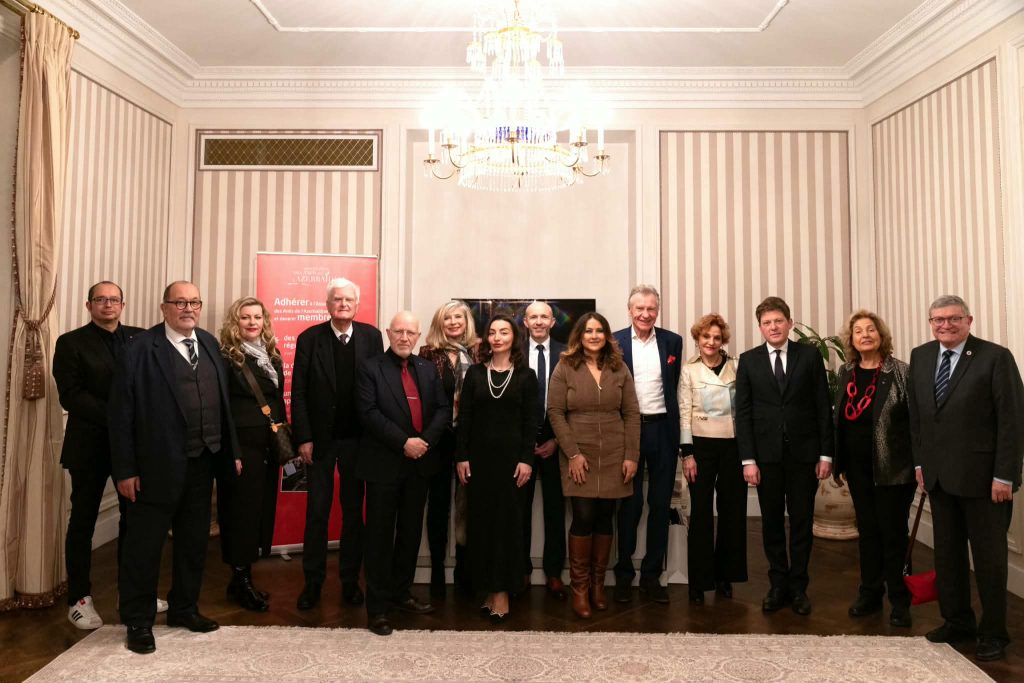
M.F.: The election of a new leadership team marks an important moment in the life of the Association. It represents both continuity in our longstanding commitment and the promise of fresh energy and vision. The new team brings a modern perspective and a strong determination to raise the visibility and impact of the AAA.
Looking ahead, I hope the Association will reach out even more to young people, universities, and strategic think tanks. I also wish to reconnect with French local authorities, as we did in the past during Azerbaijan Days in Arcachon, Royan, and Montereau-Fault-Yonne. Above all, I want the AAA to remain a respected and credible voice in defending Azerbaijan’s interests in France.
A.T.: Ms. Fataliyeva, you have lived in Paris for a long time. How did it happen that a woman who was an internally displaced person from Karabakh chose France,a country where the Armenian lobby is most active in Europe,to begin her political career and implement projects to protect our country’s interests? Did you have any support in realizing these remarkable achievements?
M.F.: My commitment is deeply connected to my personal history. Being an internally displaced person from Karabakh is not just part of my past; it is a living wound that has given me the strength and responsibility to speak out.
I chose France because it embodies freedom of expression, debate, and democracy. Even when the environment was challenging, and despite the active presence of the Armenian lobby, I was never discouraged. On the contrary, it strengthened my resolve to explain, dialogue, and defend the truth with patience, perseverance, and dignity.
I have also been fortunate to meet fair-minded individuals, sincere friends of Azerbaijan, whose moral and intellectual support has been invaluable throughout this long journey.
A.T.: In 2020, following the 44-day war, what emotions did you experience when you heard the news that your native Gubadli had been liberated from Armenian occupation? Did you face any form of pressure in France during that period?
M.F.: The announcement of the liberation of Gubadli will forever remain etched in my memory. It was a moment of profound emotion-tears, pride, and a deep sense of justice restored. For internally displaced persons, this victory went far beyond the battlefield: it was human, moral, and deeply symbolic.
In France, the period was tense, and yes, there were pressures, sometimes overt, sometimes subtle. But no pressure could diminish the legitimacy of our cause. Defending the liberation of our occupied lands in accordance with international law is not a matter of political convenience, it is a moral duty.
A.T.: You work with a French audience that often already has established perceptions of the region. Based on your experience, what tends to be the most unexpected discovery about Azerbaijan for them?
M.F.: Through the work of our association, many French people discover an Azerbaijan they had never imagined. They are often surprised by the richness of our culture, the depth of our history, and our model of multicultural and religious coexistence.
Many come to realize that Azerbaijan is a true bridge between East and West: a modern, dynamic country, deeply rooted in its traditions and committed to dialogue among peoples.
A.T.: How do you strike a balance between preserving national identity and communicating with a European audience in a language and format that resonate with them?
M.F.: Finding the right balance means staying true to Azerbaijan’s heritage and identity while being mindful of the European audience’s perspective. It involves conveying the richness of our culture, traditions, and history without simplifying or distorting them, while presenting these elements in a clear, accessible, and understandable way for people who are discovering our country.